

Reusable hot and cold packs have become an essential part of many households, providing a quick and convenient solution for relieving pain, reducing inflammation, and promoting relaxation. But have you ever wondered about the history of these packs, how they are made, and who invented them? In this article, we’ll explore the fascinating story behind reusable hot and cold packs and take a closer look at how they are manufactured.
The history of reusable hot and cold packs dates back to the early 1900s when a German chemist named Otto von Guericke discovered the thermoelectric effect, which allows heat to be generated by the flow of electricity. This discovery paved the way for the development of electrical heating pads, which were initially used in hospitals to treat patients with various injuries and medical conditions.
Over time, hot and cold packs evolved to become more convenient and portable, making them ideal for home use. Today, reusable hot and cold packs are commonly used by athletes, physical therapists, and individuals with chronic pain or injuries.
So how are these packs manufactured? The process begins with the raw materials, which typically include a combination of polymers, such as polyethylene and nylon, and a special gel that can retain heat or cold. These materials are combined and molded into the desired shape of the pack, which can range from a small pad to a larger wrap.
One unique aspect of the manufacturing process is the use of phase change materials (PCMs) in some hot and cold packs. These materials have the ability to store and release thermal energy, allowing them to maintain a consistent temperature for an extended period. PCMs are used in some high-end hot and cold packs, providing a longer-lasting and more efficient solution for pain relief.
Once the packs have been molded and filled with the appropriate gel or PCM, they undergo a series of tests to ensure they meet quality and safety standards. This includes testing for durability, leak resistance, and temperature regulation.
In terms of usage, reusable hot and cold packs are commonly used in a variety of industries, including sports medicine, physical therapy, and home healthcare. They are also used by individuals with chronic pain or injuries, such as arthritis or back pain. According to a report by Grand View Research, the global hot and cold therapy packs market size was valued at USD 1.3 billion in 2020 and is expected to grow at a compound annual growth rate (CAGR) of 5.2% from 2021 to 2028.
One interesting fact about reusable hot and cold packs is that they are often used in space exploration. NASA astronauts use hot and cold packs to treat injuries and sore muscles, and some packs have even been designed specifically for space use. These packs are made with special materials that can withstand the extreme temperatures and conditions of space.
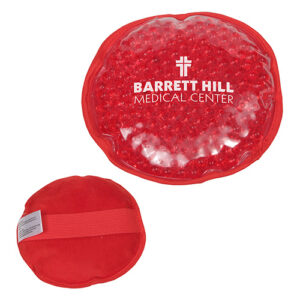
For businesses looking to promote their brand, customized hot and cold packs are a fantastic option. They can be custom branded with a corporate logo, making them a unique and useful promotional product for a variety of industries, such as spas, medical offices, and sports teams. They can also be given away as gifts to employees or clients, helping to build brand recognition and customer loyalty. With their versatility and practicality, customized hot and cold packs are an excellent investment for any business looking to promote their brand and show their commitment to their customers’ health and wellbeing.